LASERDATA provides services related to data processing and software development. Get more information from your data, like multi-scale 3D solar potential, vector models of buildings and vegetation or other mapping layers. Let us customize software tools, develop new ones, or take care of your software installations. Contact us for more information about value-adding services and software consultancy for SAGA and LIS.
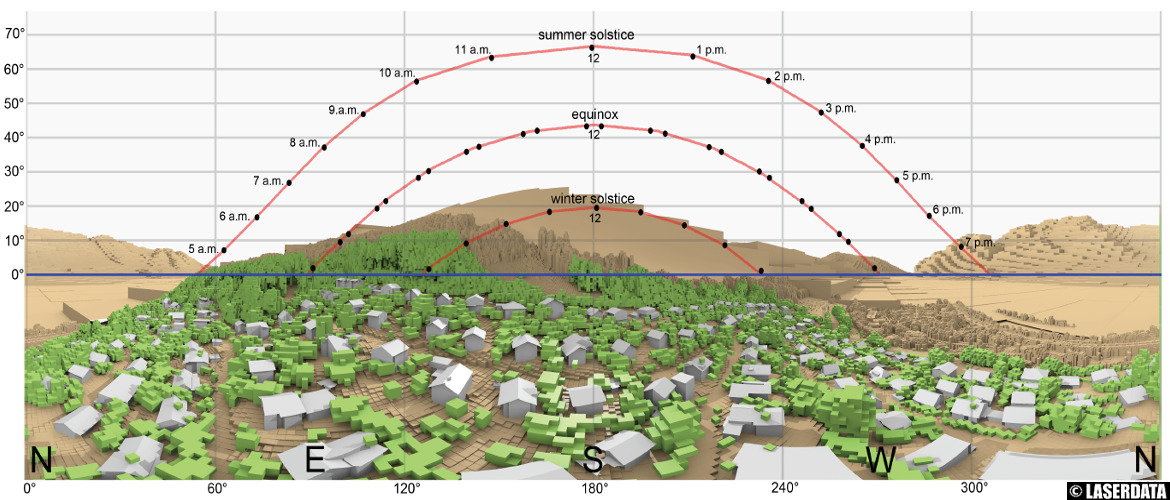
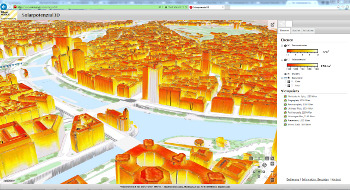
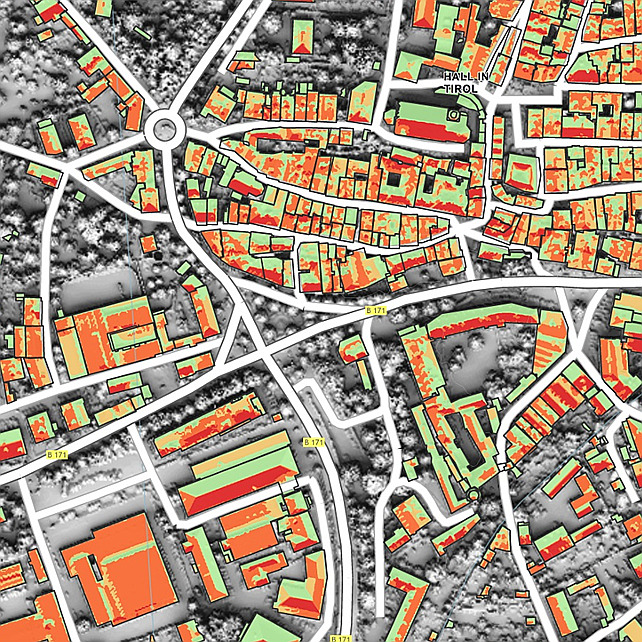
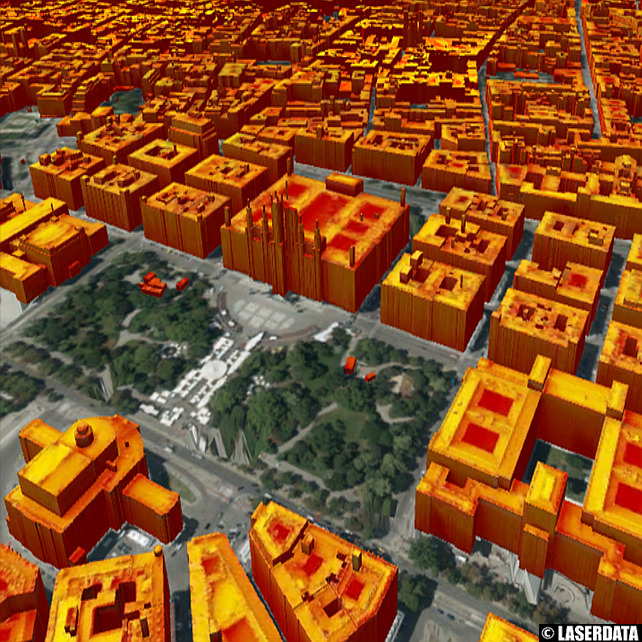
Based on different data types like high resolution digital surface models, point clouds and/or vector models, we
calculate the solar potential for single buildings up to entire metropolises and federal states. The resulting
solar cadastres allow policy makers to estimate the energy yield of photovoltaic installations and plants, to
evaluate the solar heating and cooling of buildings or to plan the positioning of solar thermal or photovoltaic
modules.
The solar potential calculated by LASERDATA based on the city model of Vienna can be found
here.
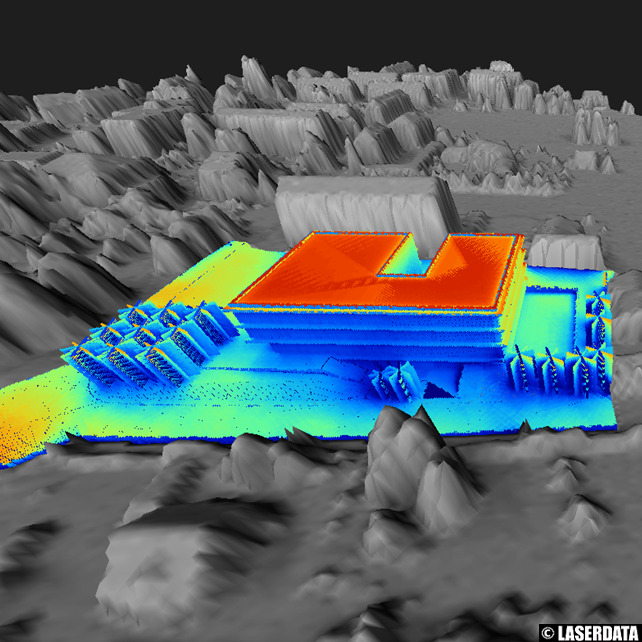
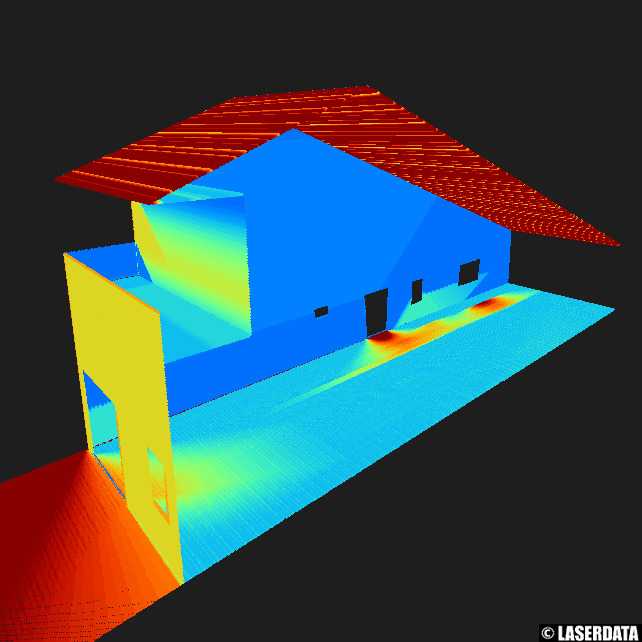
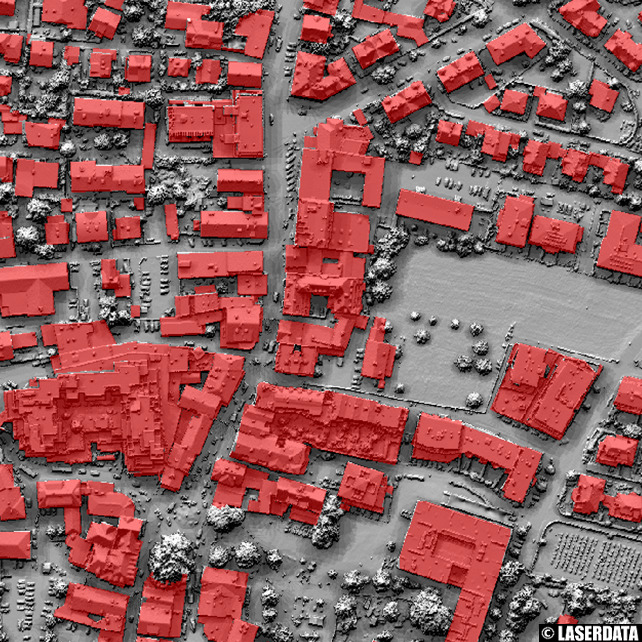
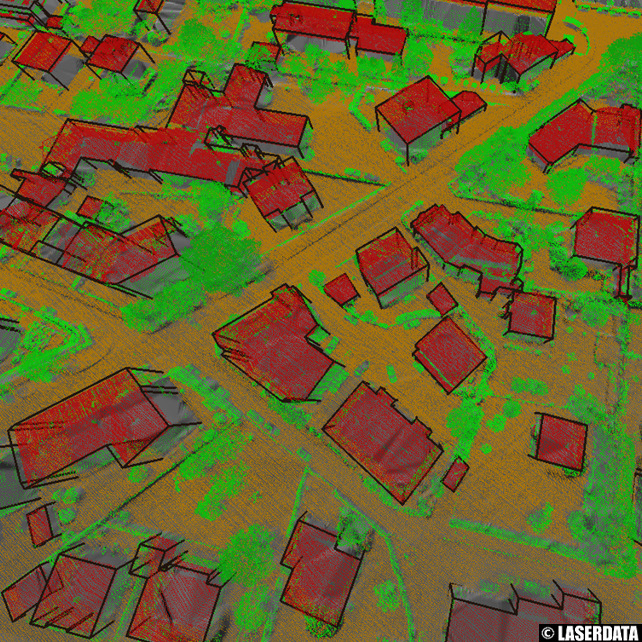
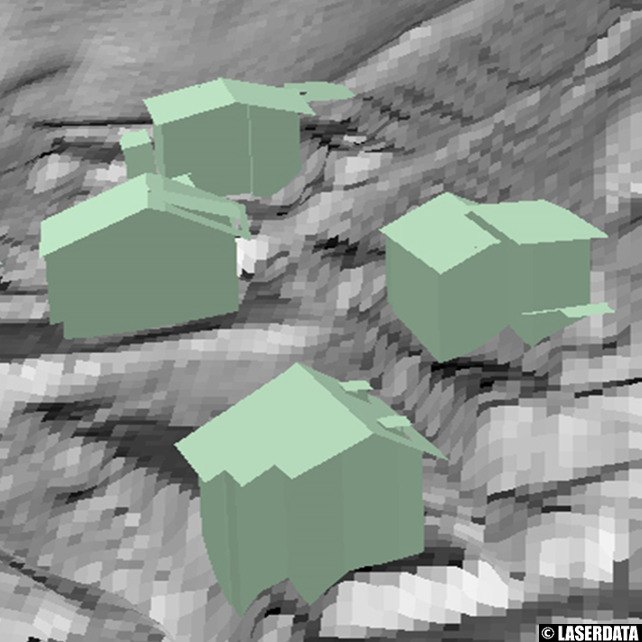
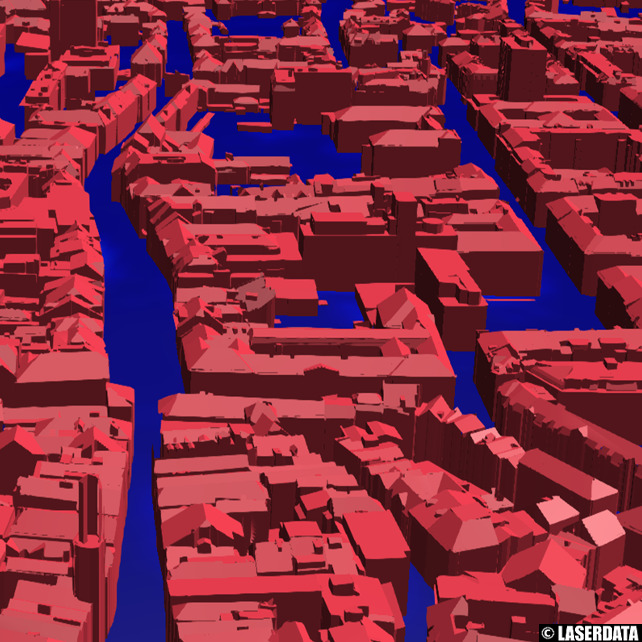
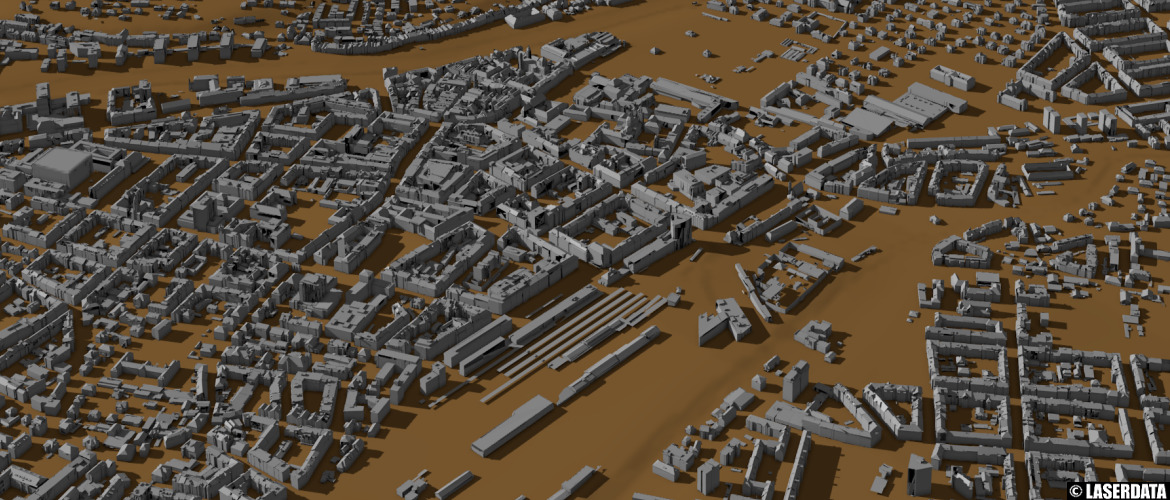
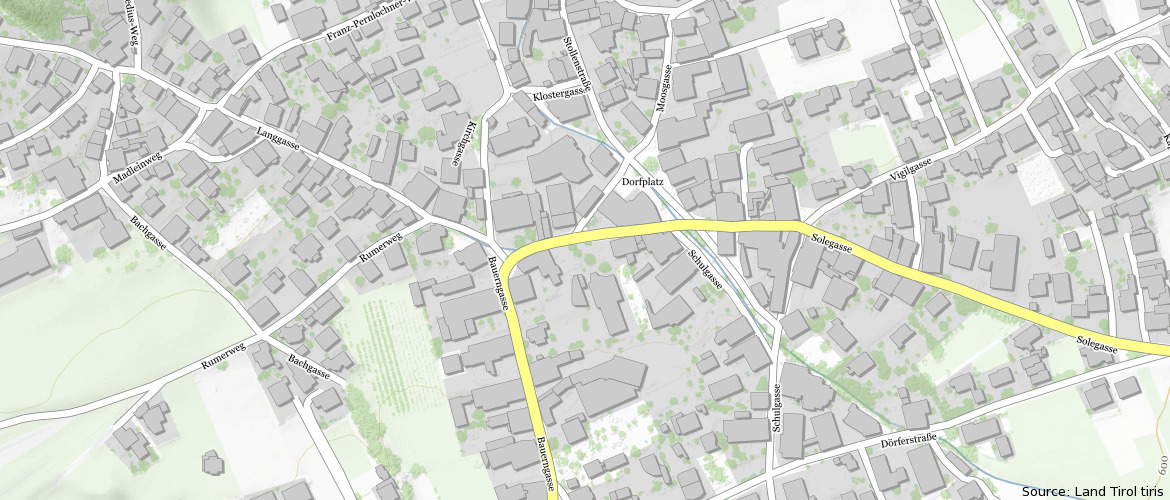
Using your point cloud data, we derive vector models of buildings in several dimensions, ranging from 2D building footprints (LOD 0) to 3D building models of different detail (LOD 1 and LOD 2). Turn your point cloud into information and enrich your base maps or 3D applications with high resolution building models - from local projects up to countrywide coverage.
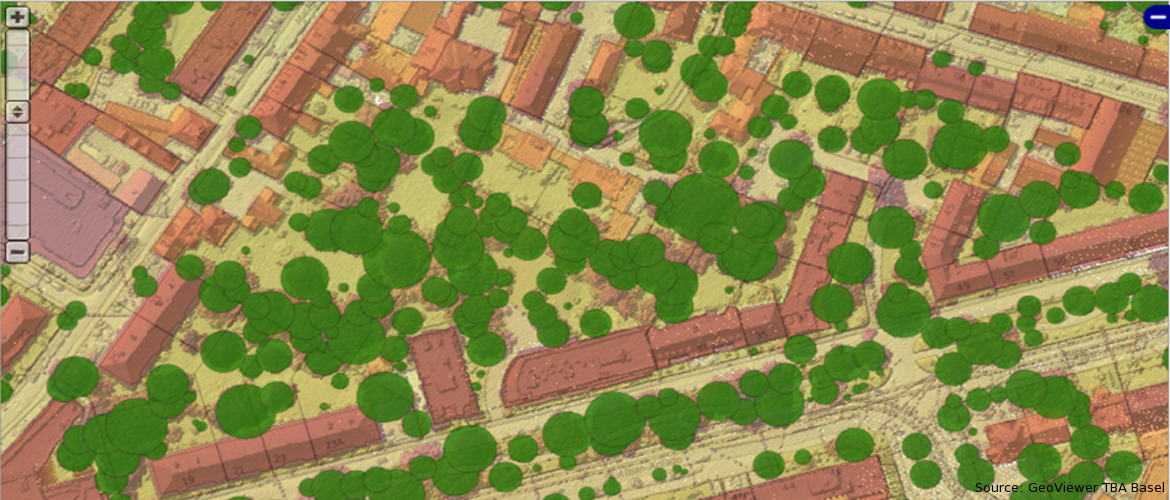
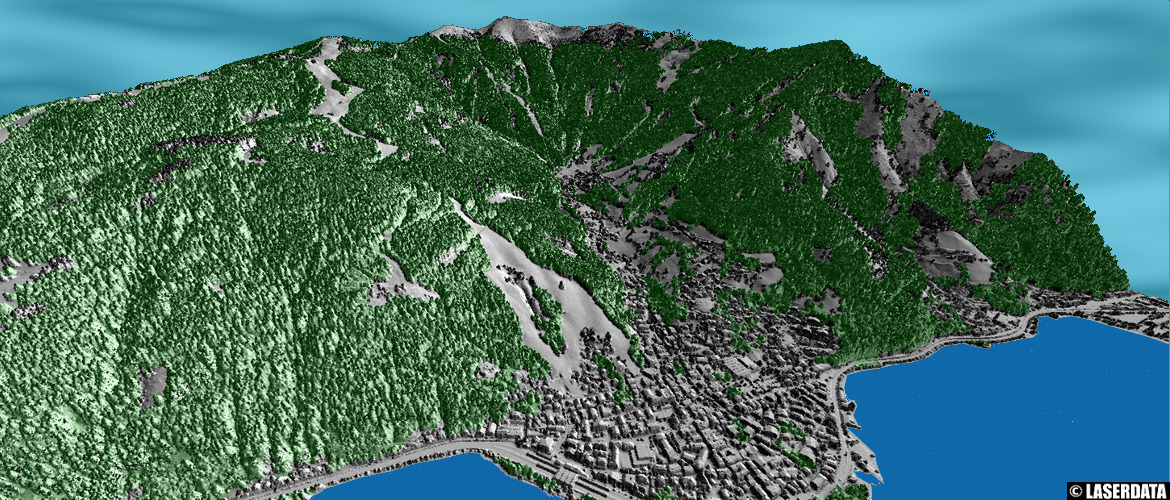
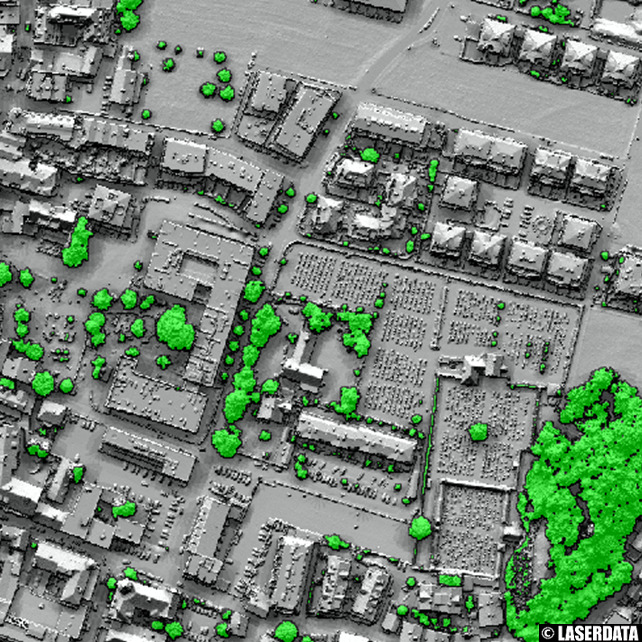
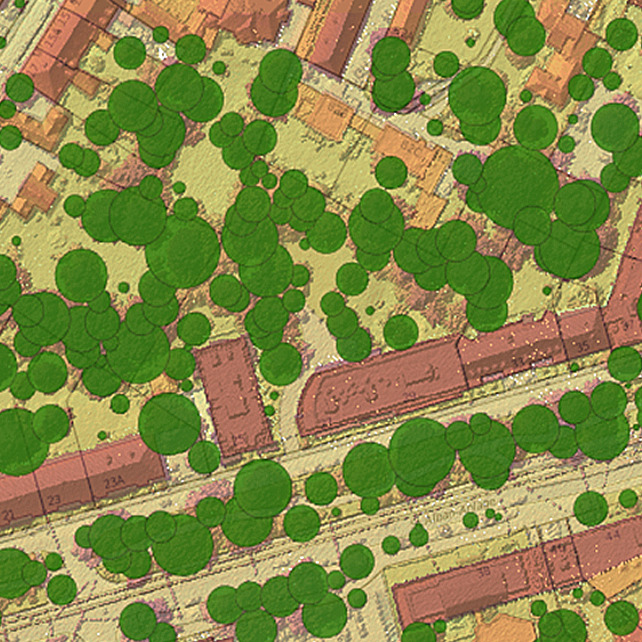
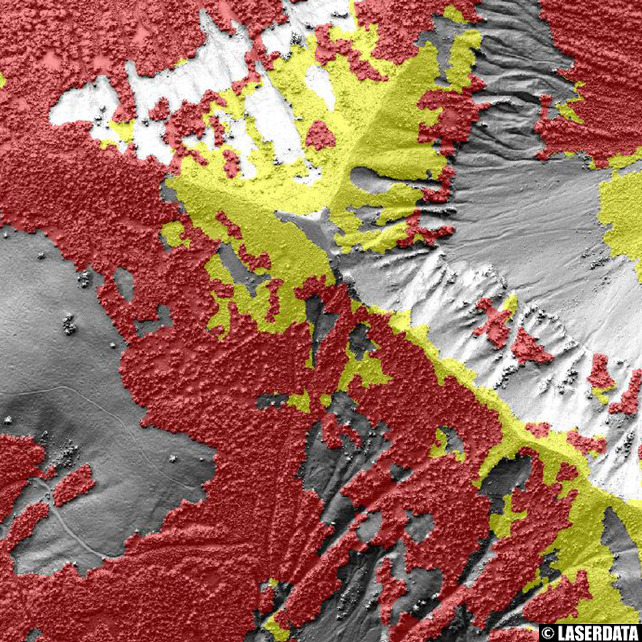
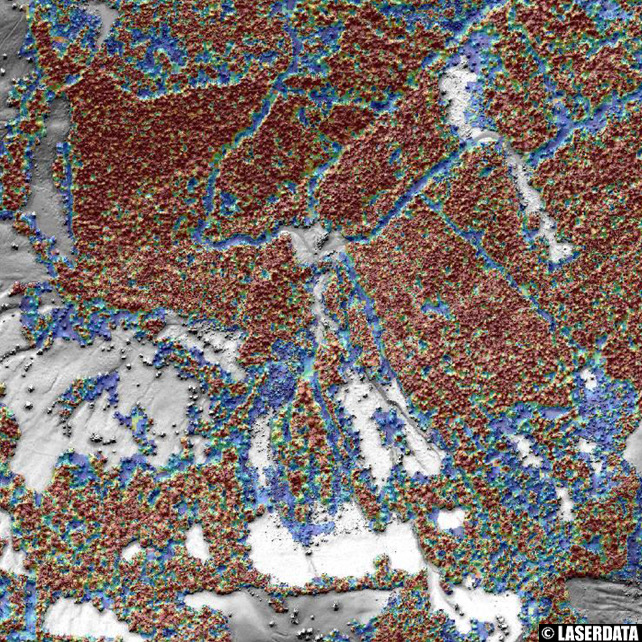
Whether you require generalized vector masks of forested areas or highly detailed map layers containing even single trees - we provide vegetation mapping products on every scale. Use our products to build up tree cadastres or to visualize vegetation height, crown coverage or estimated biomass.

Build upon our experience and let us automate your processing pipelines, either by scripting or by tool chains. We also offer to adapt existing tools or develop new ones based on your needs. Subscribe to our software maintenance service to get software updates and consultancy.

We provide professional support for SAGA, including training and software development.